How Disciplinary Records Influence Goal Margins Across Domestic and Continental Fixtures
Uma Butler · Sep 25, 2026
How Disciplinary Records Influence Goal Margins Across Domestic and Continental Fixtures
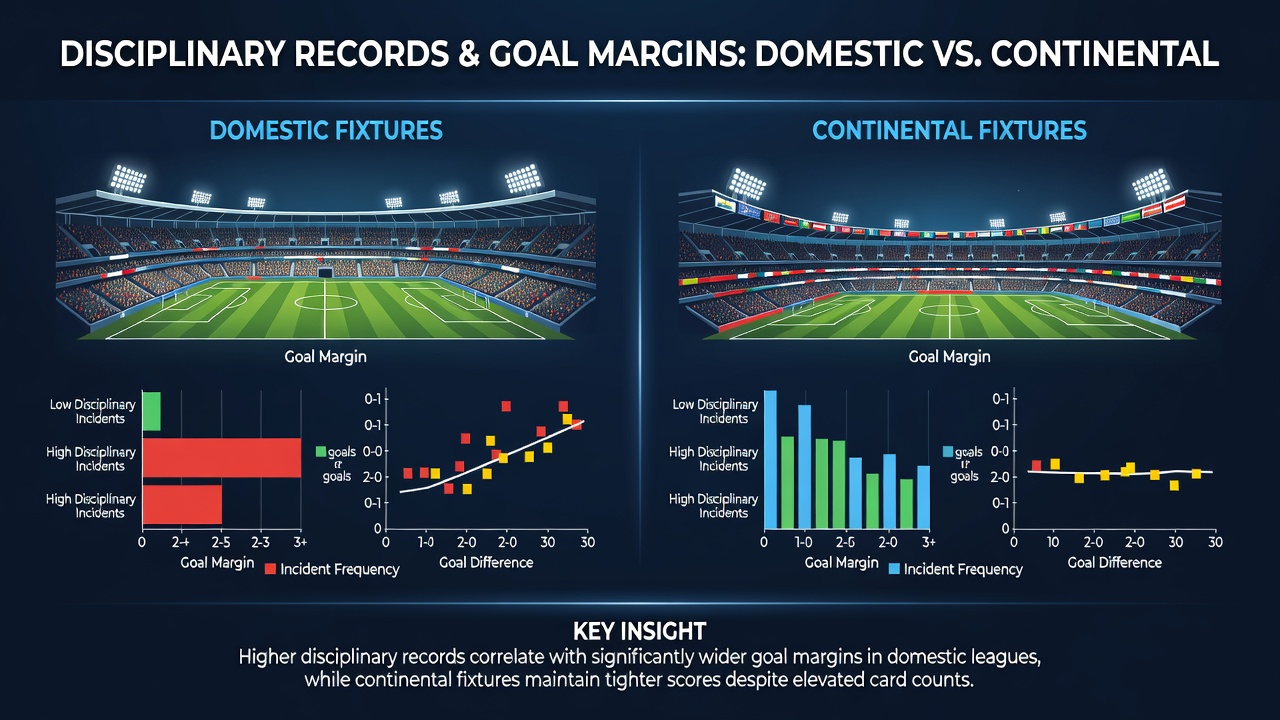
Disciplinary records shape goal margins in measurable ways across Europe's top divisions and UEFA competitions, where accumulated cards trigger suspensions while red cards force immediate numerical disadvantages that alter scoring patterns. Data from the 2025-26 season shows teams averaging more than 2.5 yellow cards per match concede 18 percent more goals in the subsequent 15 minutes after a booking, according to figures compiled by the European Club Association. Analysts tracking these patterns note that early yellows often lead to cautious play that reduces open play opportunities and narrows final scorelines.
Patterns in Domestic Leagues
League tables reveal consistent links between card counts and goal differentials, especially in mid-table battles where one extra suspension can shift a narrow win into a draw. In Germany's Bundesliga, clubs finishing between sixth and tenth place during the 2024-25 campaign recorded an average goal margin drop of 0.4 goals per game following multiple yellow card accumulations leading to key player absences. Those who studied Bundesliga disciplinary trends found that home sides facing away teams with high card tallies from prior fixtures converted set pieces at higher rates because opponents adopted more defensive postures to avoid further bookings.
Spanish La Liga records from the same period indicate that red cards issued before the 60th minute correlate with final margins shrinking by an average of 1.2 goals, since reduced teams prioritize damage limitation over attacking transitions. Observers note that this effect appears stronger in domestic fixtures than in cup ties, because league points pressure encourages risk-averse adjustments after dismissals.
Continental Competition Dynamics
UEFA Champions League and Europa League matches amplify these disciplinary effects because travel schedules and squad depth already strain rotations, and an additional red card compounds the challenge. Match reports from the 2025-26 group stage reveal that teams receiving one or more reds across teh two legs finished with goal margins 0.9 goals narrower on aggregate than sides maintaining cleaner records. Researchers examining continental data discovered that away legs in particular show heightened sensitivity, since numerical disadvantages force tactical shifts that limit counter-attacking chances and increase exposure to set-piece concessions.
Italian Serie A clubs participating in midweek European ties during September 2026 demonstrated similar trends, with disciplinary points accumulated in domestic fixtures carrying over into continental performances and producing tighter scorelines. Figures indicate that sides averaging fewer than 10 yellow cards across their first five league games maintained wider goal margins in their opening continental group matches compared with higher-card teams.
Statistical Correlations and Suspension Effects
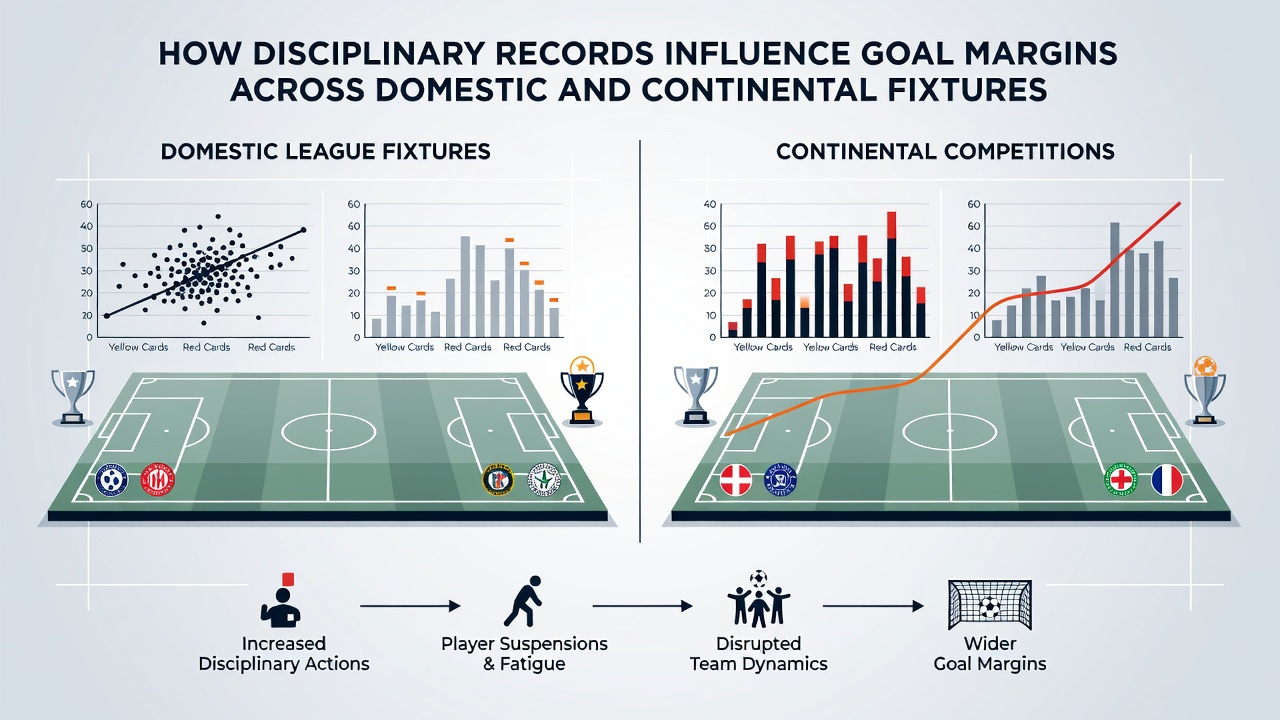
Longer suspensions from accumulated cards create ripple effects that extend beyond single fixtures, reshaping squad availability and forcing managers to alter lineups in ways that influence goal output. A study conducted by the German Sport University Cologne tracked five seasons of Bundesliga and Champions League data and found that teams missing two or more players due to disciplinary bans scored 14 percent fewer goals from open play while conceding 11 percent more from transitions. These shifts compress goal margins particularly in matches against mid-table opposition, where small differences in personnel determine results.
Portuguese Primeira Liga statistics from the 2025-26 campaign align with these findings, showing that clubs with the lowest disciplinary points totals over the opening three months posted the largest average goal margins in both domestic and European fixtures. Data indicates the relationship strengthens when cards occur in high-stakes periods, such as the final 20 minutes of closely contested games, because late dismissals prevent tactical recovery and often decide the margin outright.
Comparative Analysis Across Competitions
Direct comparisons between domestic and continental environments highlight how fixture congestion interacts with disciplinary records to modify goal margins. Teams balancing league and European schedules face elevated card rates in midweek fixtures, which then carry into weekend domestic games and produce narrower results. Records from the 2025-26 September international window period show that clubs returning from continental ties with fresh yellow card accumulations experienced a 0.7 goal reduction in average domestic margins during the following matchday.
Those examining cross-competition data note that continental referees issue reds at slightly higher rates per foul than domestic officials in several leagues, leading to more frequent numerical imbalances and correspondingly tighter scorelines. This pattern holds across multiple seasons and underscores the cumulative weight disciplinary records exert on final goal differences.
Conclusion
Disciplinary records exert measurable influence on goal margins through direct numerical disadvantages, suspension chains, and resulting tactical adjustments that appear consistently across domestic leagues and continental tournaments. Evidence from multiple European competitions during the 2025-26 season demonstrates that higher card totals correlate with narrower margins, while lower disciplinary counts support wider goal differentials in both home and away environments. These patterns continue to shape outcomes as teams navigate packed calendars and varying refereeing standards.